Taquile Island

|
Taquile Island
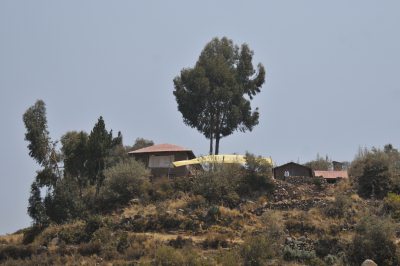
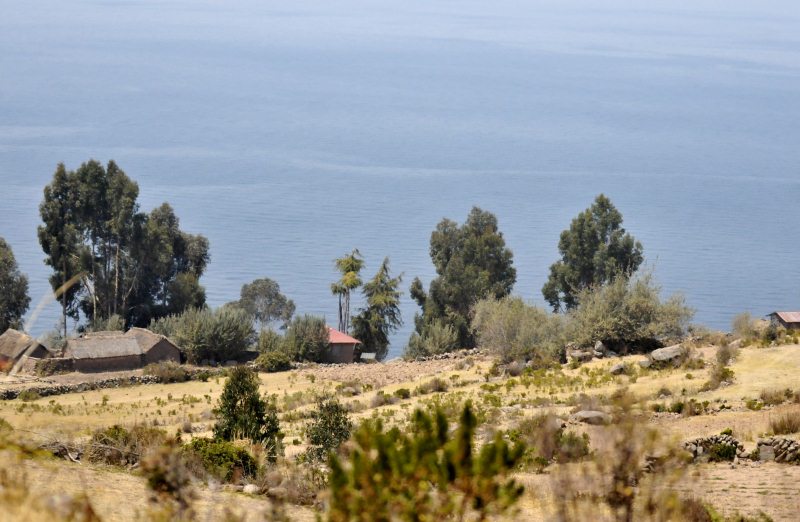
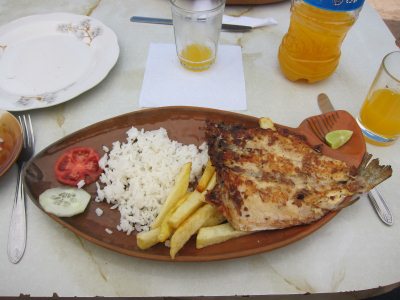
We left Uros for the two and a half hour boat journey to Taquile, an island on the Peruvian side of Lake Titicaca thirty miles offshore from the city of Puno. About three thousand people live on the island, in sixty communities, which is a three miles by a half or two and a half square miles. The highest point of the island is 13,287 feet above sea level and the main village is at 12,959 feet. The inhabitants, known as Taquileños, are southern Quechua speakers. The Incas came here in 1430 bringing cereal, potatoes and corn. We arrived at eleven forty five and took a slow climb to the top arriving at twelve thirty five, very puffed out with the altitude. We are at fifteen degrees, fifty five minutes five two South and sixty nine degrees, forty one minutes zero one West. We ate lunch at the communal restaurant called San Santiago, Manuel told us of life on the island.
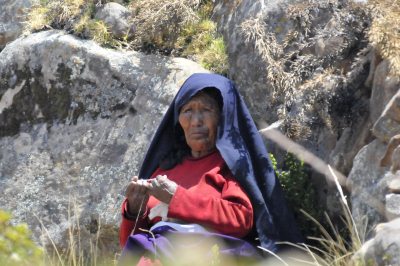
 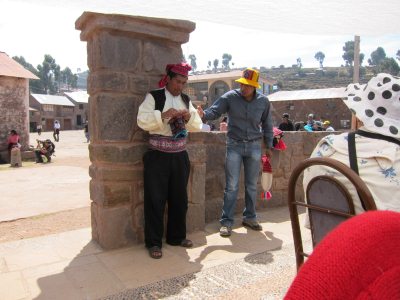 Taquile, whose Quechua name some believe was Intika, was part of the Inca Empire and has a number of Inca ruins. The island was one of the last locations in Peru to capitulate to Spanish domination during the Spanish conquest of Peru. It was captured for Carlos V and eventually passed to Count Rodrigo of Taquila, after whom the island was named by colonists. As the Spanish forbade traditional dress, the islanders adopted the Spanish peasant clothing. They are known for maintaining that as traditional dress today. They combine this with finely made Andean-style garments and accessories (ponchos, belts, mantles, coca-leaf purses, and others).
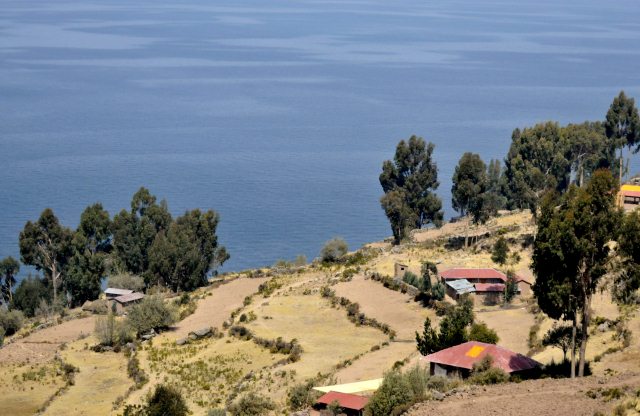
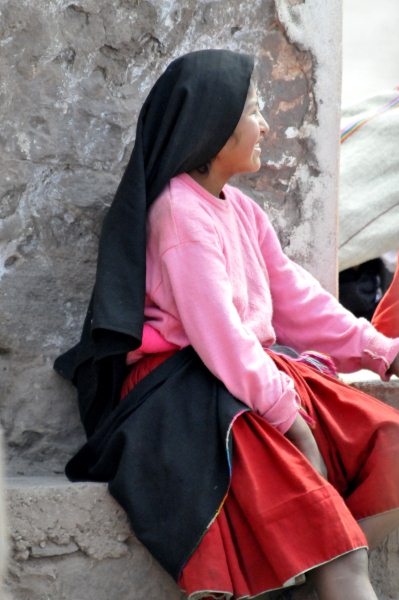  Hats are key here, men wear predominantly red if they are married, red with lots of white are single. Men knit using many of the one thousand traditional patterns and symbols available and knit a hat which they present to their prospective father-in-law for judgment, a good approved one is waterproof and colourful. Women knit very colourful belts for their husbands, their own hair woven in to the ties, they wear shawls with huge pom-poms with conservative colours if they are married, very colourful if they are single. Men wear a woven bag, called a Chuspa, it carries their coca leaves to chew - for aiding relief at altitude, make tea with and give out to friends and visitors. There is no divorce here, the couples live together for two or three years and generally the first child prompts the permanent union of marriage. Taquileños run their society based on community collectivism and on the Inca moral code ama sua, ama llulla, ama qhilla, (Quechua for "do not steal, do not lie, do not be lazy"). The island is divided into six sectors or suyus for crop rotation purposes. The economy is based on fishing, terraced farming horticulture based on potato cultivation, and tourist-generated income from approximately forty thousand tourists who visit each year.
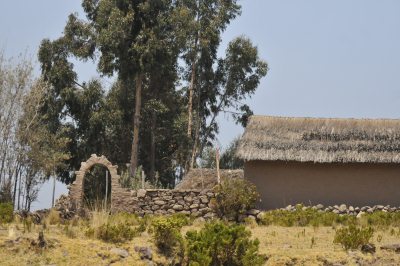 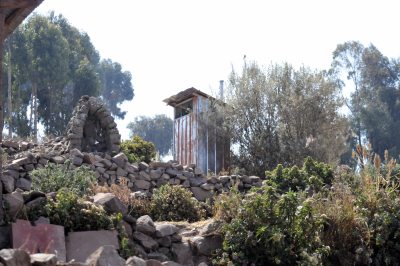
Taquileños are known for their fine handwoven textiles and clothing, which are regarded as among the highest-quality handicrafts in Peru. Knitting is exclusively performed by males, starting at age eight. The women exclusively make yarn and weave. Taquileans also are known for having created an innovative, community-controlled tourism model, offering homestays, transportation, and restaurants to tourists. Taquileans have lost control of transportation to and from their island. Although they still benefit by selling textiles and providing meals, they have almost no control over the mass day-tourism operated by non-Taquileans. Taquileans are developing alternative tourism models, including lodging for groups, and local guides, who have recently completed a 2-year training program. Taquile has a radio station and is equipped with generators, although islanders have elected not to use them in favour of solar panels. The island has the curious distinction of being free of dogs. The natives consider dog and cat delicacies. Although chicken is eaten, it is not raised on the island due to problems with foxes. In 2005, "Taquile and Its Textile Art" were honored by being proclaimed "Masterpieces of the Oral and Intangible Heritage of Humanity" by UNESCO. We left at two thirty to get back to Puno at five ten after an exceptional day of surprises and tradition.
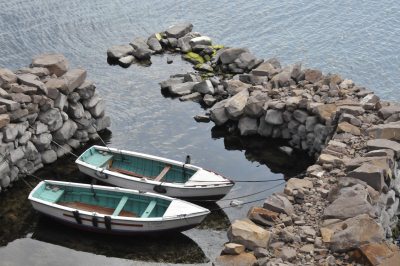 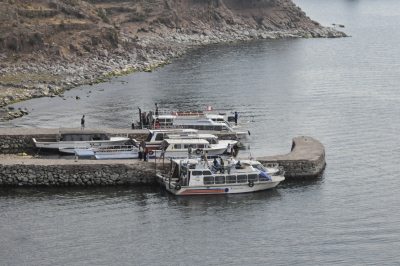
ALL IN ALL WOULD HAVE LOVED MORE TIME TO SIT AND WONDER IN THIS PEACEFUL PLACE |