Sugar

|
Tracing the Origins of Sugar
Some 200 years later, Alexander the Great conquered parts of western Asia and took with him what he called the ‘sacred reed’. Before long, Ancient Greece, and then Rome, began to import sugar as a luxury product and a medicine. In the seventh century AD, the Arabs invaded Persia and as part of their loot they took the sugar cane plant. Through invasions, conquests and increased trading links with other countries, sugar cane reached a great number of places, including Egypt, Rhodes, Cyprus, Morocco, Tunisia, Southern Spain and Syria.
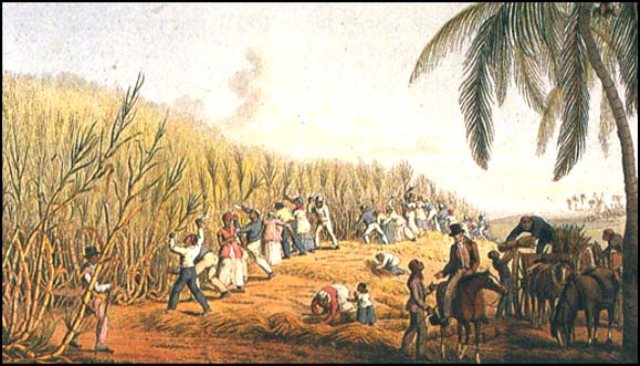
Columbus Spreads ‘The Sacred Reed’: In the fifteenth century the Arabs took sugar cane to Spain and Portugal. Because it was a highly profitable crop, both countries became very active in finding new places to grow sugarcane. In 1493, the explorer Christopher Columbus took sugar cane to the Caribbean Island of Santa Domingo for trial plantings. The crop flourished in the hot sunshine, heavy rainfall and fertile soil. This was a landmark in the history of sugar cane, because, as Columbus reported to Queen Isabella of Spain, it grew faster in the West Indies than anywhere else in the world.
Beet - A New Source of Sugar: Beet has been grown for food and fodder since ancient times. However, it was not until 1747 that Andreas Marggraf, a German chemist, succeeded in extracting sugar from beet in a form which could be used in cooking. This crop was highly suited to the temperate climate of Europe. Sugar Beet Gains Importance: Cane sugar continued to be the main source of sugar in Europe until the Napoleonic Wars, which took place between France and Britain from 1793-1815. During this period the British Navy blockaded French ports preventing goods from being imported. The farming of sugar beet then developed rapidly on mainland Europe in order to replace cane sugar. Once it was found that the crop grew well in European climates, sugar from beet began to rival sugar from cane and, by 1880, beet was the main source of sugar in Europe. Britain's interest in sugar beet arose during World War I (1914-1918), when the British supply of cane sugar was greatly reduced as German U-boats sunk the trading ships. The British Government decided to intervene and began persuading farmers to grow sugar beet. Since then, Britain has produced a significant proportion of its sugar from this source.
ALL IN ALL a habit that changed the taste of the world. |