Tour El Salvador, Honduras and Guatemala - Day 1

|
Upon our arrival at Bahia del Sol, our friends Vicki and Rudy of
‘Inspiration at Sea’, who had arrived a few days before us and had
made arrangements with another couple, Gayle and John of ‘Sirens
Call’ to go on a 3-day guided tour of El Salvador, Honduras and Guatemala
with a private tour guide leaving the next day, invited Eric and I to join
them. Jorge Martinez, our personal tour guide who drove the 6 of us
around in his tour van through El Salvador, Honduras and Guatemala for 3 days,
was fantastic. You can visit his Web site at: http://www.tourinelsalvador.com Day 1: San Salvador, El Salvador
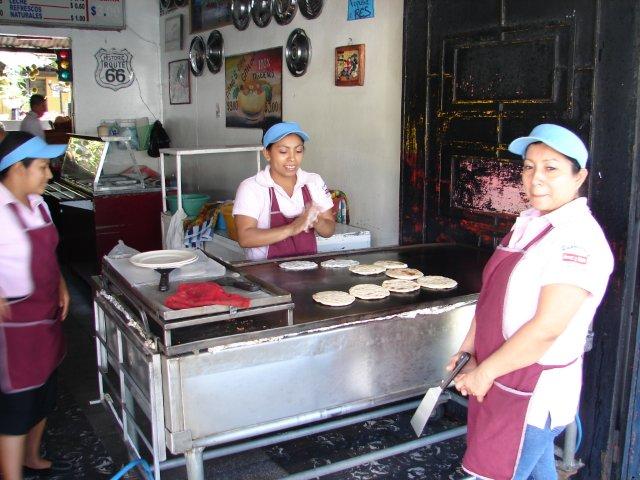
Starting the day with a hearty breakfast of stuffed pupusas,
the national food of El Salvador, in a popular (at least with our tour guideJ) pupuseria in San
Salvador. Yum!
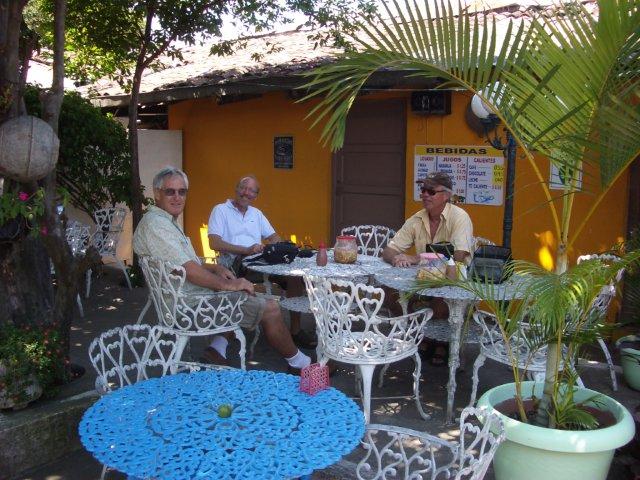
John, Eric and Rudy waiting in the courtyard of the pupuseria
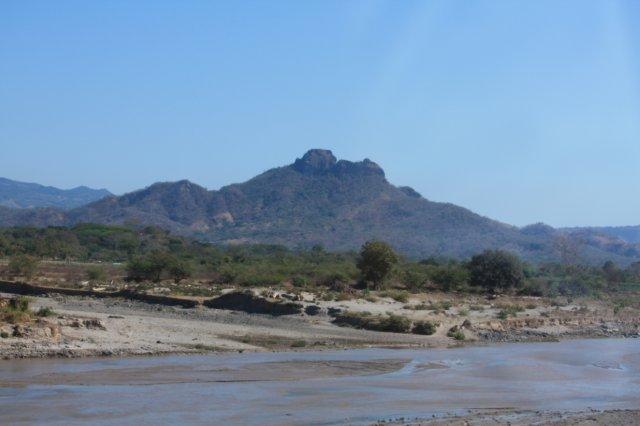
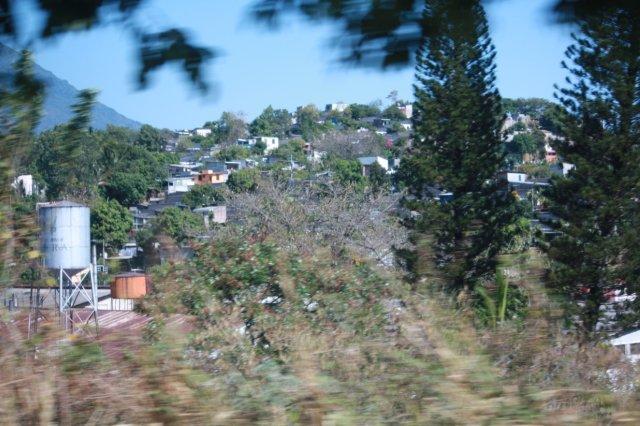
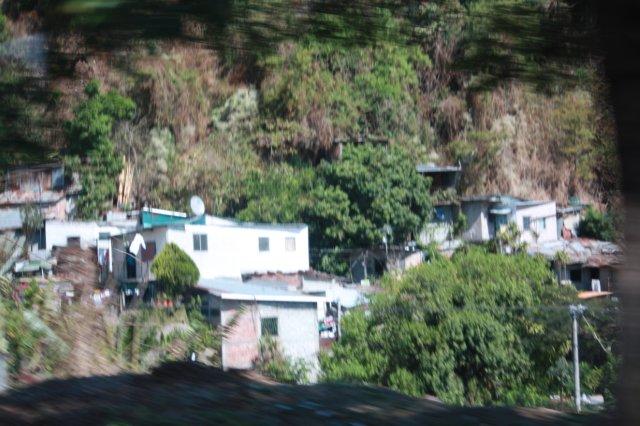
while the pupusas are prepared Salvadoran landscape outside of San Salvador
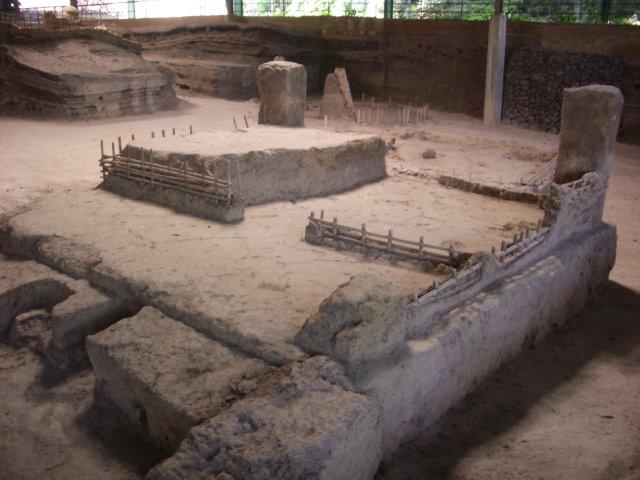
Joya de Ceren, El Salvador Joya de Ceren Archaeological Site is a pre-Columbian Maya
farming village that has been preserved remarkably intact after it was
destroyed by volcanic ash around 600 AD. And in recognition of its archeological importance, in 1993 it was
listed as a World
Heritage Site by UNESCO. This site has been compared to Pompeii
and Herculaneum for its superb level of preservation and has been referred to
as the Pompeii of the
Americas. The site has been populated with rich tropical flora and fauna
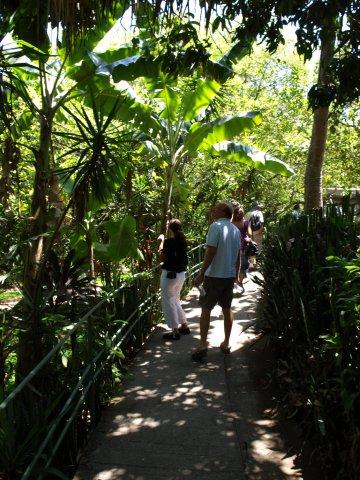
Eric and Gayle on a path to the archaeological site
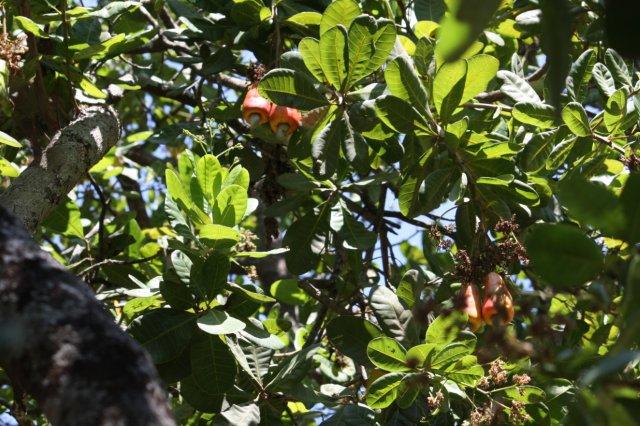
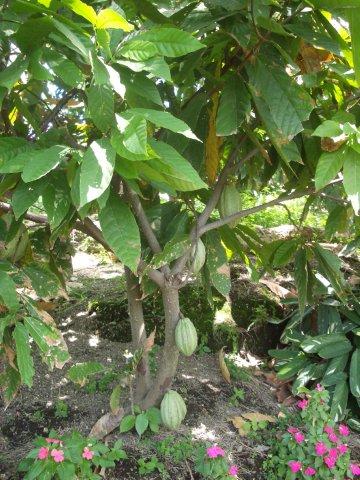
A cashew tree
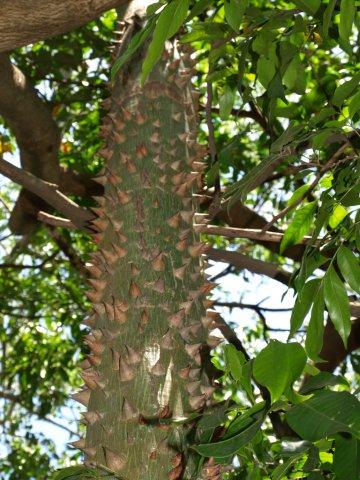
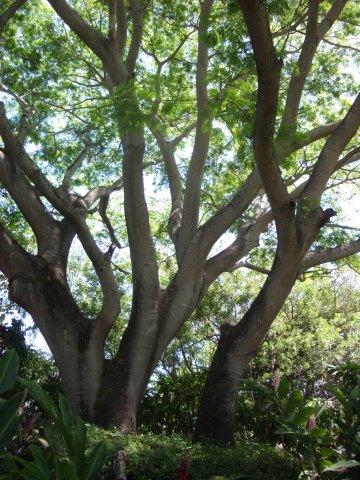
Ceiba tree, the Mayan tree of life
Avocado tree Inside the excavation site…
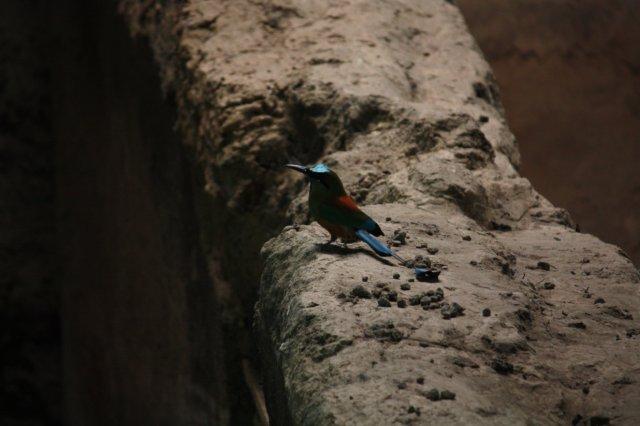
We were fortunate to see a torogoz, the national bird of El
Salvador, upon arrival at the excavation site. What a good omen!
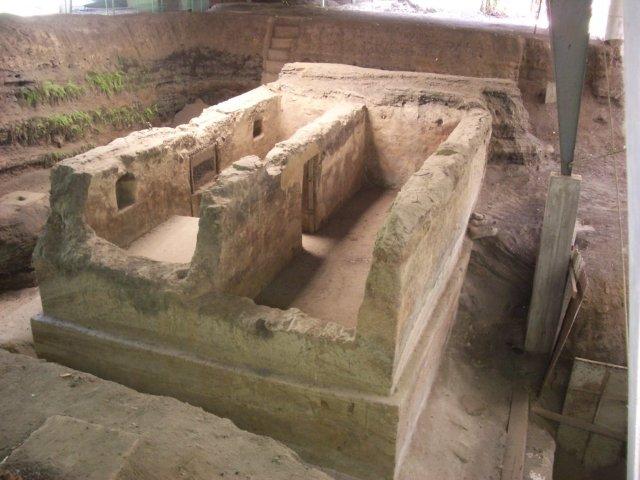
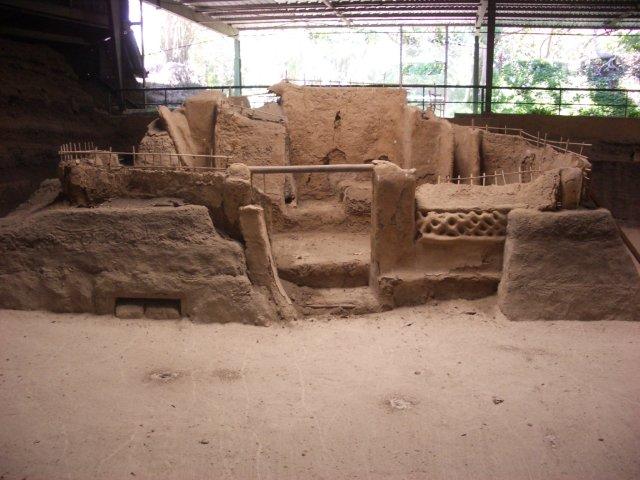
A modest two-room Mayan home. The bedroom is the one to the left
with the raised platforms
Another modest Mayan home. This one only has one loft-style room
with the sleeping area on the left.
This is the village medicine woman house, recognizable by its
spiral-like design to protect her from evil spirits, which in Mayan culture are
believed to move in a straight line
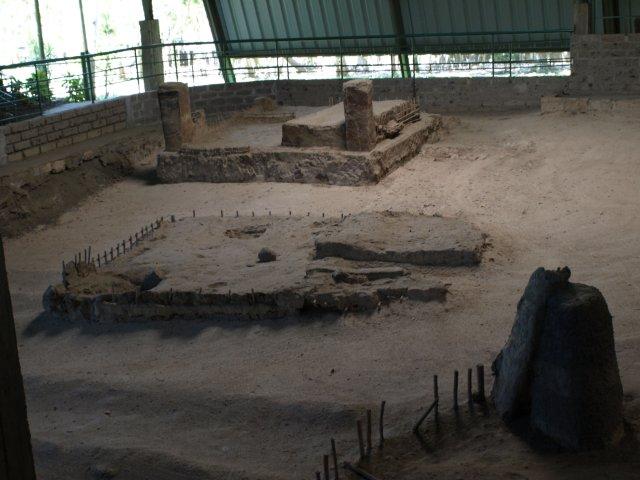
This was the public place where public celebrations were held. The structures photographed here were for storing and cooking
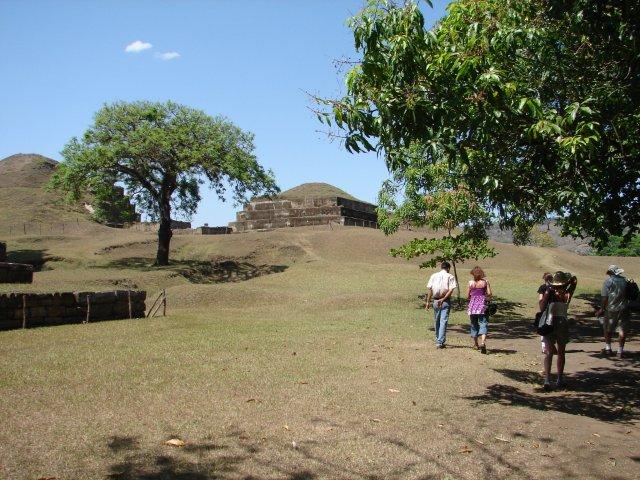
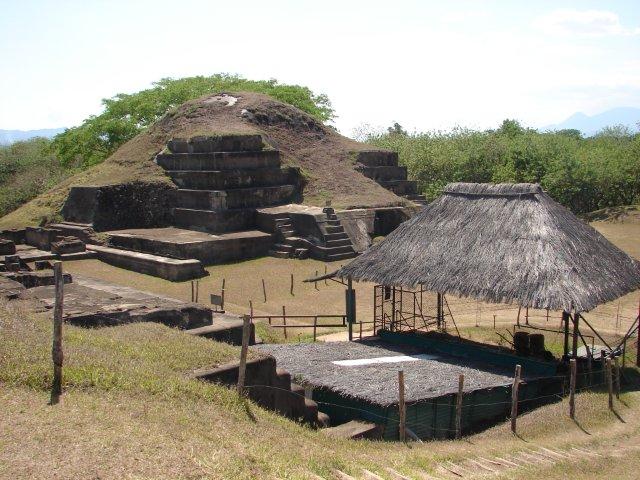
large amounts of food. Mayan ruins of San Andres, El Salvador The San Andres ruins are located in the valley of Zapotitán about
5km southwest of Joya de Ceren. It is one of the largest pre-hispanic ruins in
Our group walking toward the Acropolis
The Acropolis
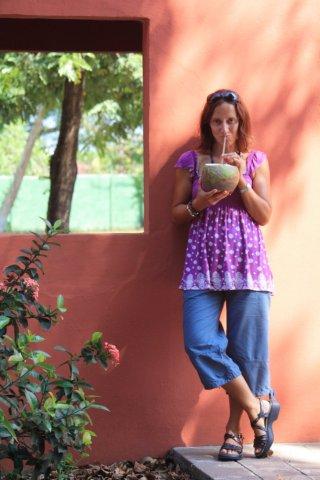
Valerie, enjoying a cold coconut juice after visit of the ruins Santa Ana, El Salvador Santa Ana is the second largest city in El Salvador, located 60
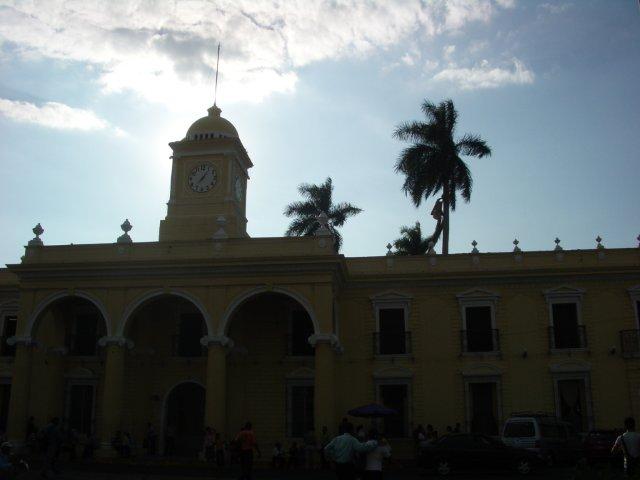
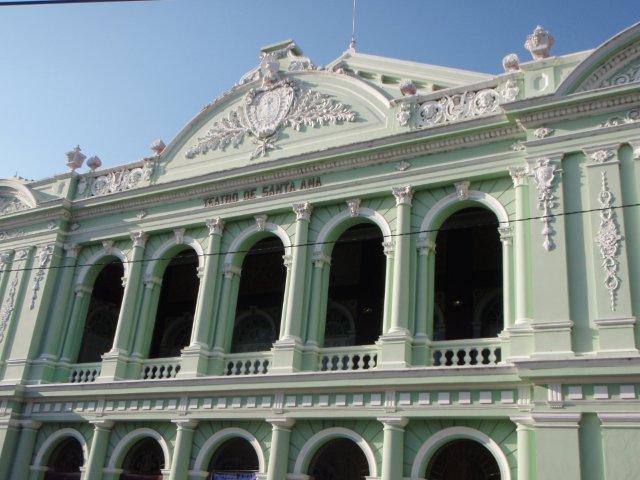
km west of San Salvador, the capital city 3 of the most recognizable buildings in Santa Ana…
Alcaldia (municipal palace)
Teatro de Santa Ana
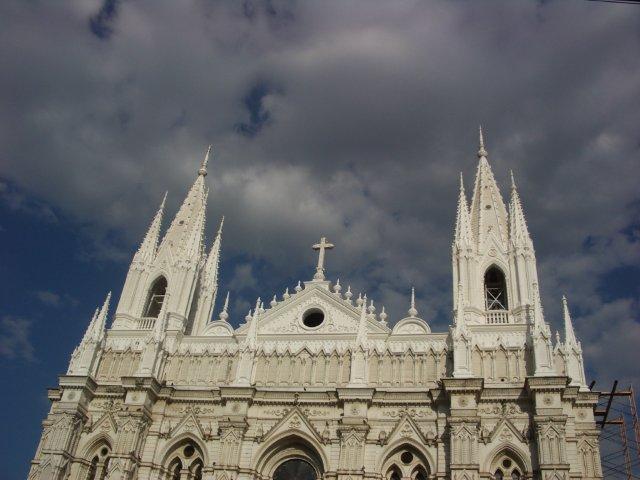
Cathedral Santa Ana
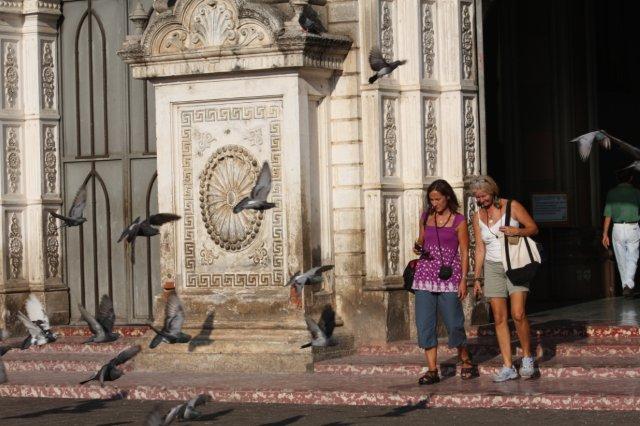
Valerie and Vicki on the steps of Cathedral Santa Ana Arrival in Copan, Honduras for dinner and to spend the night
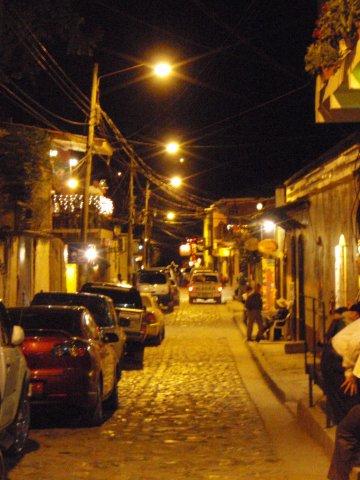
Street of Copan at night
Our group arriving at the restaurant where we’re having
dinner
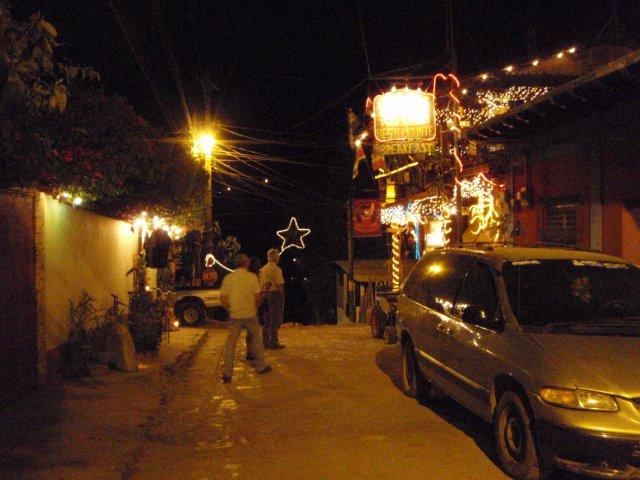
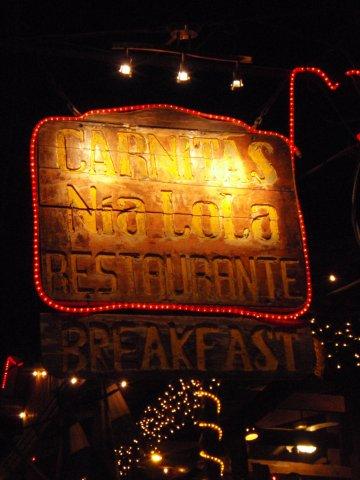
Our restaurant sign
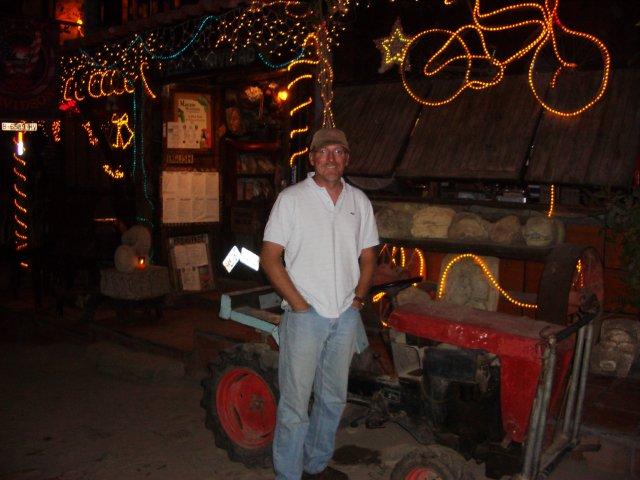
Eric in front of the restaurant
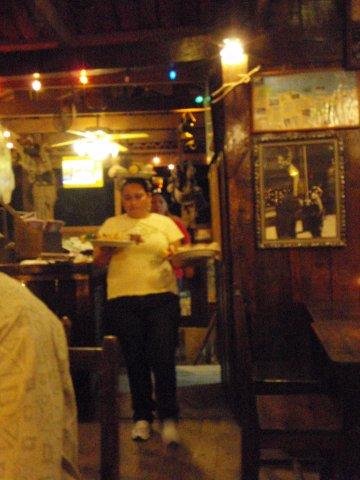
Waitresses carrying food on their head
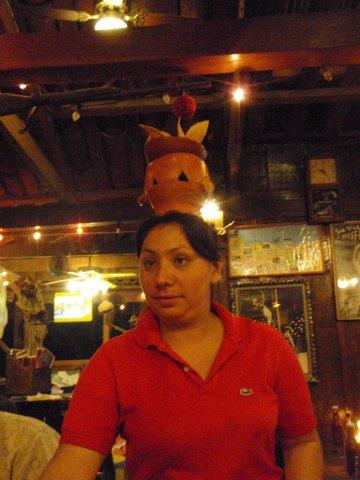
Our waitress
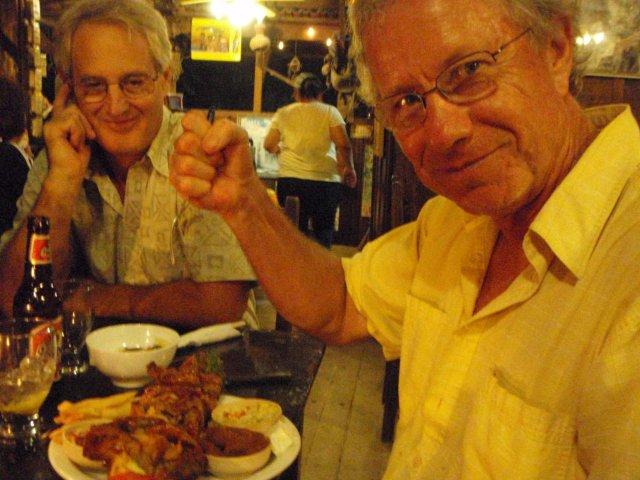
John and Rudy
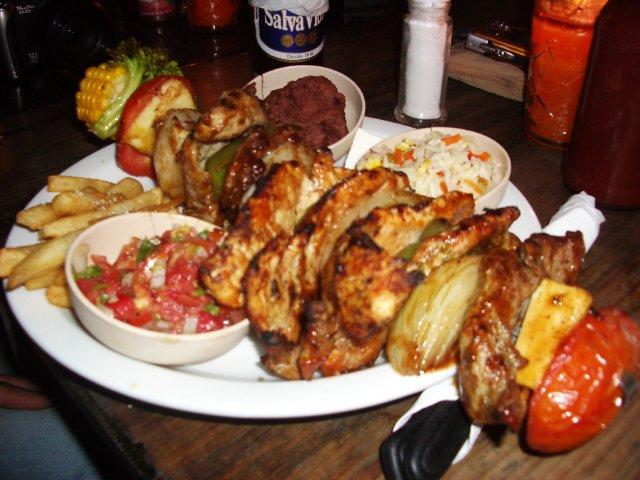
The plate Eric and I are sharing |